If you’re searching where do I register my dog in Wilson County, Kansas for my service dog or emotional support dog, the key detail is this: in many Kansas communities, the “registration” people mean is the local dog license (sometimes called a dog tag). In Wilson County, dog licensing is commonly handled locally—often by the city you live in (for residents inside city limits) rather than by a single countywide office.
This page explains how a dog license in Wilson County, Kansas typically works, how rabies rules connect to licensing, and the legal difference between a dog license versus a service dog or emotional support animal (ESA).
Where to Register or License Your Dog in Wilson County, Kansas
Because dog licensing is often handled at the city level, start with your local city office if you live inside city limits. If you live in unincorporated areas of Wilson County, ask the county offices which agency handles rabies enforcement and animal control contacts for your address.
Fredonia City Hall (Licenses / Dog & Cat Tags)
If you’re within Fredonia city limits, this is a primary place to ask where to register a dog in Wilson County, Kansas for your address, including how to obtain local tags and what proof (like rabies vaccination) is required.
Neodesha City Hall (City Clerk / Licenses)
If you live in Neodesha, contact City Hall/City Clerk about annual dog registration requirements and any city-specific rules tied to rabies vaccination records.
Wilson County Health Department
The health department is a common point of contact for rabies-related questions (for example: bite reporting guidance and rabies risk protocols). While the health department may not issue city dog tags, rabies compliance is often central to local licensing.
Wilson County Sheriff’s Office
If you’re outside city limits and need help identifying the correct animal control dog license Wilson County, Kansas contact for your area, the Sheriff’s Office can often direct you to the right local authority (city, county, or contracted provider).
Overview of Dog Licensing in Wilson County, Kansas
What “Registering Your Dog” Usually Means
In everyday terms, “registering” typically refers to obtaining a local dog license (also called a dog tag). A license is generally a local record tying the dog to an owner and confirming that basic public-health requirements—especially rabies vaccination—have been met. If you’re trying to figure out where to register a dog in Wilson County, Kansas, the most common answer is: start with your city hall / city clerk (if you live in an incorporated city), and then verify what applies in unincorporated county areas.
Why Licensing Is Often Local (City-by-City)
Kansas doesn’t operate a single statewide “dog registry” for household pets. Instead, dog licensing is often established by local ordinances. That means the exact fee, renewal cycle, whether tags are annual, and what documents you must show can differ depending on whether you live in Fredonia, Neodesha, or another community in Wilson County.
What Licensing Typically Does (and Doesn’t) Do
- Show compliance with local rules (especially rabies vaccination).
- Identify the dog if found at large or impounded.
- Support public health and rabies control efforts.
- Make a dog a “service dog.”
- Provide service-dog public access rights.
- Convert a pet into an emotional support animal.
How Dog Licensing Works Locally in Wilson County, Kansas
Step 1: Identify the Correct Local Office
Start by confirming whether your residence is within a city’s boundaries. If you are inside city limits, dog licensing commonly runs through that city’s administrative office (often City Hall / City Clerk). If you are outside city limits, ask the county which office or agency handles animal control calls and whether there is a county process for licensing or rabies compliance.
Step 2: Prepare Rabies Vaccination Proof
Rabies vaccination is a cornerstone of local licensing across many Kansas communities. In practice, you’ll often be asked for proof of current rabies vaccination (for example, a certificate provided by your veterinarian). If your dog’s rabies vaccination is expired, you may be required to update it before receiving a tag or renewing a dog license in Wilson County, Kansas.
Step 3: Apply, Pay the Fee, and Receive a Tag
Many local programs issue a physical tag that should be attached to your dog’s collar. Keep a copy of any paperwork and note renewal timing. If you’re asking about an animal control dog license Wilson County, Kansas situation (like a stray hold, impound, or complaint), having a current license and rabies record can reduce delays when reclaiming your dog.
Step 4: Keep Records Updated
If you move within Wilson County or change your phone number, update your information with the licensing office. A license is only useful if the contact information is accurate.
Service Dog Laws in Wilson County, Kansas
Service Dogs vs. Licensed Pets
A service dog is defined by what the dog is trained to do for a person with a disability (performing specific tasks). A service dog’s legal status comes from disability law, not from a city dog tag. You may still need a local dog license in Wilson County, Kansas if your city requires licensing for all dogs, including service animals.
Public Access: What Matters
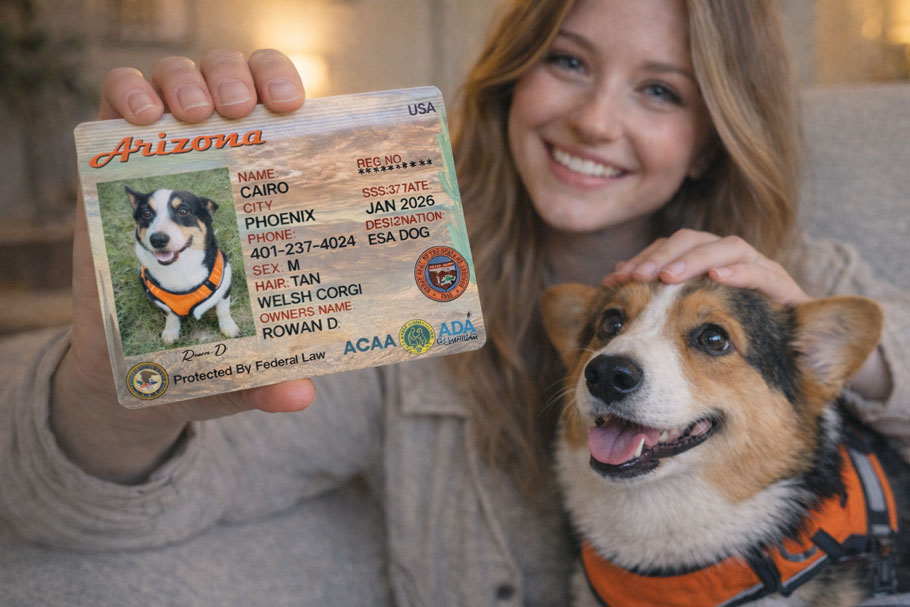
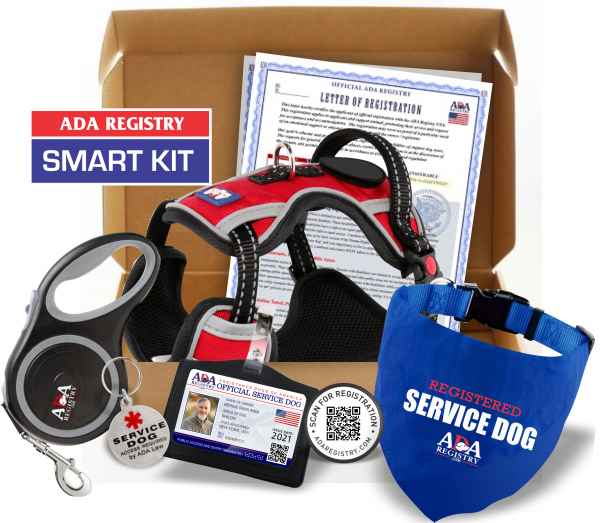
For public access, the focus is typically on behavior and disability-related task training—not on registration cards, online certificates, or “service dog IDs” sold by third parties. While you can choose to keep documentation (like training logs or veterinarian records) for your own organization, a local dog license is a separate issue from service dog access rights.
Rabies and Local Rules Still Apply
Even if your dog is a service dog, local public-health rules still matter. Keeping rabies vaccination current and following applicable leash/at-large rules helps avoid conflicts and supports community safety.
Emotional Support Animal Rules in Wilson County, Kansas
An ESA Is Not the Same as a Service Dog
An emotional support animal (ESA) provides emotional support by its presence, but it is not required to be trained to perform specific tasks like a service dog. Because of that, ESAs generally do not have the same public-access rights as service dogs.
Licensing Is Still a Local Requirement
If your city requires licensing for dogs kept within city limits, that typically applies whether the dog is a pet, an ESA, or a service dog. So when people ask where do I register my dog in Wilson County, Kansas for my service dog or emotional support dog, the licensing answer usually remains: register locally with the appropriate city office (or confirm the county process if outside city limits).
Housing Questions vs. Dog Licensing
ESA-related issues most often arise in housing contexts. Dog licensing, however, is typically a municipal compliance process tied to identification and rabies vaccination. Treat these as separate tracks: (1) comply with local licensing, and (2) address housing documentation questions through the proper housing process when needed.
Frequently Asked Questions
Often, yes—if your city requires licensing for dogs kept within the city. A service dog’s legal status is separate from municipal licensing. The safest approach is to contact your local city office and ask whether their dog license requirement applies to all dogs, including service dogs.
In many areas, licensing is handled locally (especially inside city limits). That’s why the best answer to animal control dog license Wilson County, Kansas questions is often: start with your city office (if incorporated) and confirm the correct contact for unincorporated areas through county offices.
Requirements vary by city, but many offices commonly ask for:
- Proof of rabies vaccination (certificate from a veterinarian)
- Owner identification
- Proof of residency (if required)
- Payment for the licensing fee
Typically, no special county “ESA registry” is required for a dog. However, if your city requires pet licensing, your ESA dog may still need a local dog license/tag like any other dog kept within city limits.
Start by calling county offices to identify who handles local animal control and rabies enforcement for your address. Some rural areas rely on county-level processes, while others rely on specific local arrangements. Once you know the correct authority, ask for the exact steps and documentation needed.
Disclaimer: Licensing requirements and office locations may change. Residents should verify details with their local animal services office within Wilson County, Kansas.